Overview
Atomic design is a methodology composed of five distinct stages working together to create more deliberate and hierarchically structured interface design systems. The five stages of atomic design are: Atoms (colour, typography, icons) Molecules (buttons, form elements, etc.) Organisms (navigation, menus, tables) Templates (common page elements - navigation with company and profile dropdown) Pages (standard page templates typically flow specific)
Results
I led the creation of a scalable design system that streamlined our product’s UI and drastically improved consistency across teams. By standardizing components and documentation, we reduced development rework and design debt, enabling faster handoffs and more efficient QA. This not only improved the overall user experience but also contributed to significant operational savings, helping the company preserve $150K in annual recurring revenue by reducing engineering hours and support costs.
Atoms
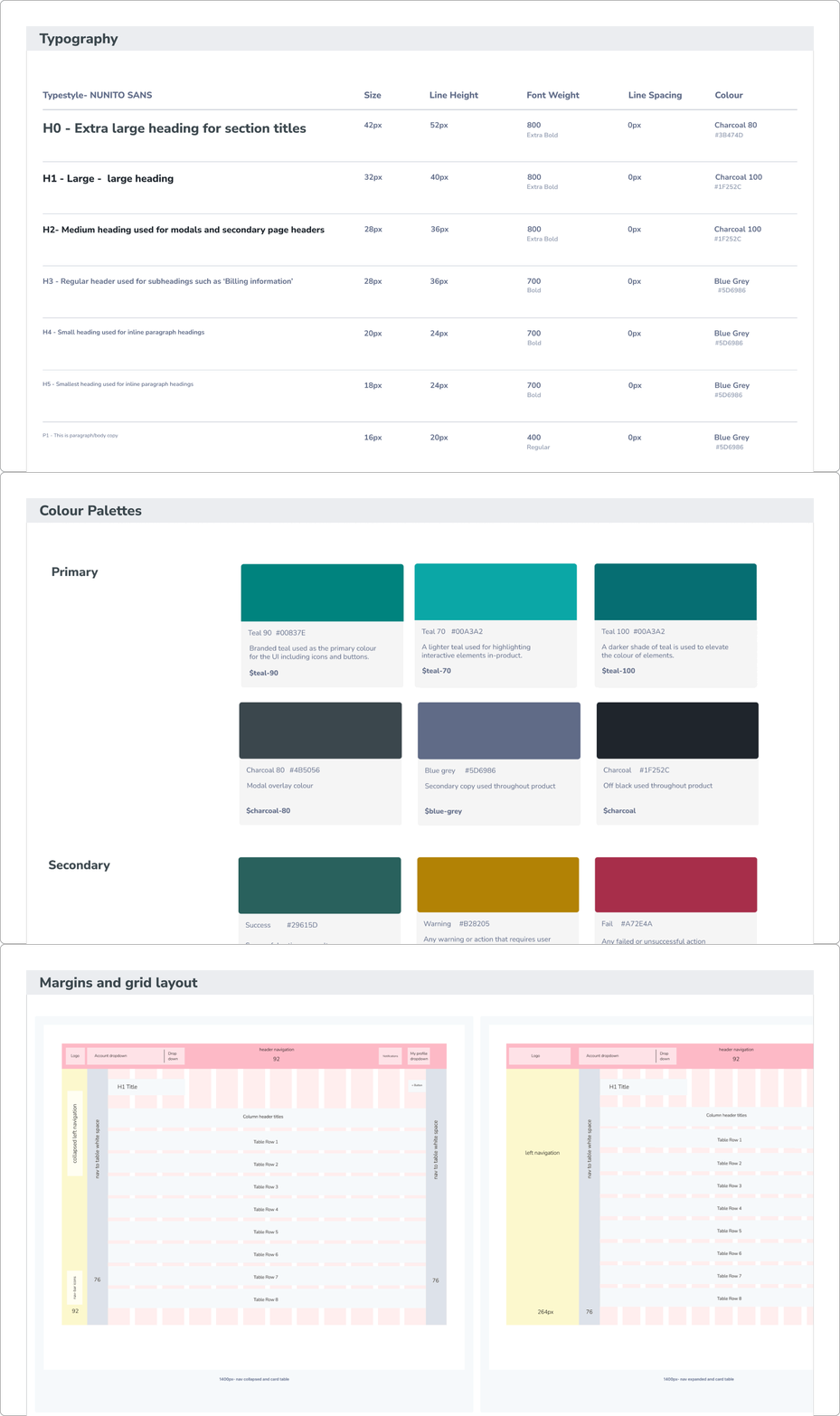
Atoms are the foundational UI elements such as buttons, inputs, and labels that serve as the building blocks of a design system.
Molecules
Molecules are simple combinations of atoms that function together, like a search form with a label, input field, and button.
Organisms
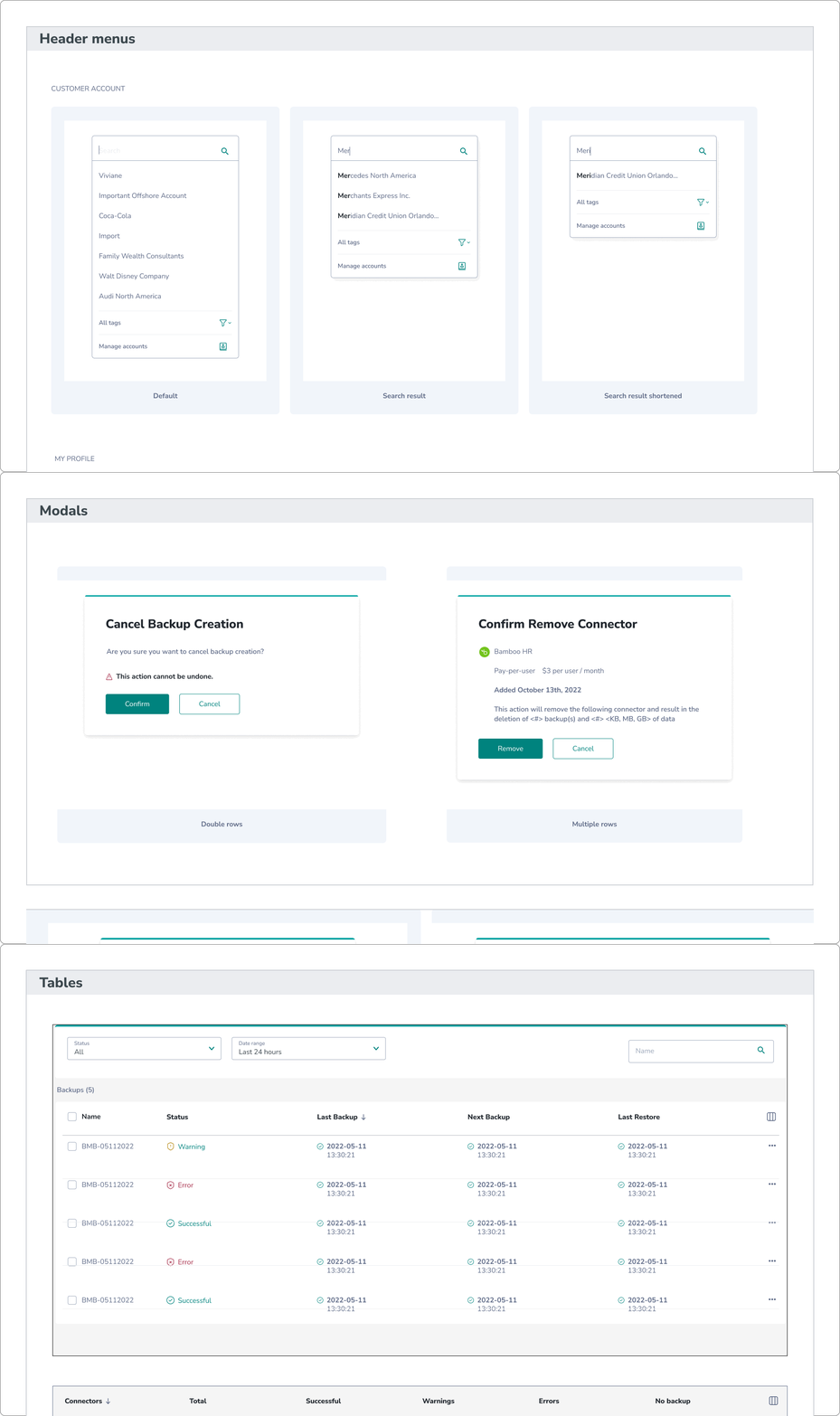
Organisms are more complex components made up of groups of molecules and atoms, such as menus and modals, and provide reusable, scalable patterns in interface design.